
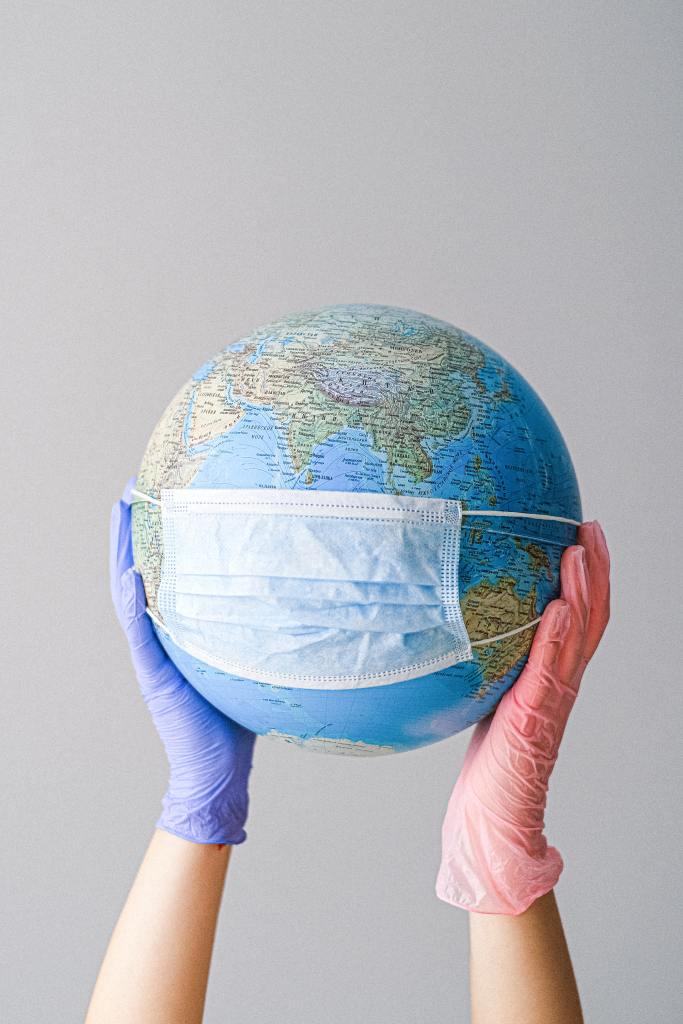
The wealthier countries have hoarded enough doses to vaccinate their entire populations nearly three times over
A research report undertaken by Oxfam showed that vaccinating the poorest half the world against Covid-19 would cost less than four months profit from Big Pharma. An Alliance of campaigning organizations including Oxfam, Amnesty International, Frontline AIDS, and Global Justice Now, warn that the majority of people living in low income countries will not have access to a vaccine until 2023/2024 if action is not taken by global governments to roll out a people’s vaccine.
The call of the Alliance is for a People’s Vaccine, a vaccine that’s patent free, a mandatory worldwide sharing of all related knowledge and intellectual property. Caroline Reid from Oxfam Ireland said , “There should be a commitment to transfer the technology and to ramp up and build capacity to produce the vaccine, it should be provided at a transparent cost price without profit; it should be available to all, frontline workers from Dublin to nurses in Delhi.”
The pandemic has had disproportionately impacted the economy of third world countries leaving billions of people being at risk of being pushed into hunger and poverty. People in third world countries fear that they might die from starvation before they die from Covid, many of whom have been laid off as result of shutdowns across the western world. Caroline Reid said that it is important for people to be aware that, “these are the people that make the clothes that we buy on Henry Street or Grafton Street here, so when Covid first hit those workers were basically told to go home.” The shutdowns have led to the cancellation of production and a halt in supply to retailers which has had a knock effect for these workers. She added “They don’t have welfare systems like we have in Ireland.”
Caroline Reid said, “Pharma is an industry that does generate a lot of income, this is a global pandemic it’s unprecedented times and unprecedented response is needed.” However, Michael Mc Carthy of Oxfam added that “It is ultimately not up to us to persuade private actors to change, it’s the role of government to regulate how they operate for the common good.”
Michael D Higgins has pledged his support for the alliance saying that “Solidarity within and between countries and the private sector is essential if we are to overcome the challenges presented to us by Covid with regard to accessing appropriate medical treatment.”
To date all of Moderna’s doses and 96% of Pfizer/BioNtech doses have been acquired by wealthier countries. The people behind Oxford Astra have pledged to provide 64% of their doses to people in developing nations. They are likely to only reach 18% of the world’s population by next year at most. This demonstrates that one company alone could not vaccinate the world, signifying why unity on this issue is vital.
Caroline added, “We have seen in countries across Europe, this virus has crippled some of the most advanced health care systems in the world. So for countries with already struggling health systems that haven’t had the resources to invest in health services, the situation is really bad and unnecessary lives are being lost.”
To date forty countries have pledged their support for the Covid technology access pool, an initiative similar to the Alliance, that was set up by WHO (World Health Organisation.)

 The Harney Scoop.